

July 17, 2026
For many families and individuals, the immigrant visa process represents a monumental milestone, a bridge between current aspirations and a stable future in the United States. However, recent shifts in federal policy have turned a longstanding legal provision into a formidable barrier. Section 212(a)(4)(A) of the Immigration and Nationality Act (INA), commonly known as the “public charge” rule, is being wielded with renewed vigor.
At Zaveri Law Firm P.C., we believe that understanding these shifting sands is the first step toward securing your peace of mind. Navigating the public charge ground of inadmissibility requires more than just filling out forms; it demands a strategic, detailed presentation of your life’s work, financial stability, and future potential.
Public Charge Inadmissibility is a legal determination that allows U.S. government officials to deny entry or residency to any applicant they believe is likely to become “primarily dependent” on the government for subsistence. Historically, this was a narrow standard, but recent interpretations have broadened its reach significantly.
Primary Dependence is generally defined as a reliance on public cash assistance for income maintenance or the need for long-term, government-funded institutional care. Under the current landscape in 2026, the federal government has placed an intensified emphasis on this provision. Consular officers and USCIS adjudicators are now empowered with expanded discretion to evaluate not just what an applicant has used in the past, but what they might need in the future.
Broadened Interpretation means that even those who have never touched a cent of public assistance can be found inadmissible. The government is now looking more critically at applicants with fewer financial resources, effectively raising the bar for who is considered “eligible” for the American dream.
Unlike many other immigration requirements that have a simple “yes or no” answer, the public charge determination is a predictive, forward-looking analysis. Officers apply a totality of the circumstances test, weighing various aspects of your life to decide if you are a “risk” to the public treasury.
For decades, the Affidavit of Support (Form I-864) was seen as the “silver bullet” to defeat a public charge concern. If a U.S. sponsor earned enough to meet the poverty guidelines, the case was usually approved. That is no longer the case.
Increased Skepticism from consular officers means that a sufficient I-864 is now just one factor among many. We are seeing more frequent rejections of affidavits provided by non-family members, such as church friends or distant acquaintances. The government has become wary of what they perceive as a “black market” for sponsors, often disregarding legitimate, compassionate offers of support from family friends without a concrete reason.
The Totality Override allows an officer to acknowledge that your sponsor meets the income requirements but still find you inadmissible based on your personal factors (like age or lack of education). This shift underscores why you must present a holistic case that proves your own self-sufficiency, rather than relying solely on your sponsor’s tax returns.
One of the most daunting aspects of a public charge finding is that no waiver is available. In many other areas of immigration law, such as unlawful presence or certain criminal convictions, an applicant can file a Form I-601 waiver to ask for forgiveness based on “extreme hardship” to a relative.
No Second Chances exist for a 212(a)(4)(A) denial. If an officer decides you are likely to become a public charge, there is no “hardship waiver” to fall back on. You must either overcome the finding with new evidence or the visa will remain denied. Furthermore, visa decisions are generally not subject to judicial review, meaning you cannot easily “sue” to overturn an officer’s discretionary fact-finding.
The weight of these rules falls most heavily on family-based immigrants and those selected for the Diversity Visa (DV) Lottery. For a DV applicant, who may come from a country with a lower cost of living, proving they meet the “totality” test can be an uphill battle if they do not have a university education or significant assets.
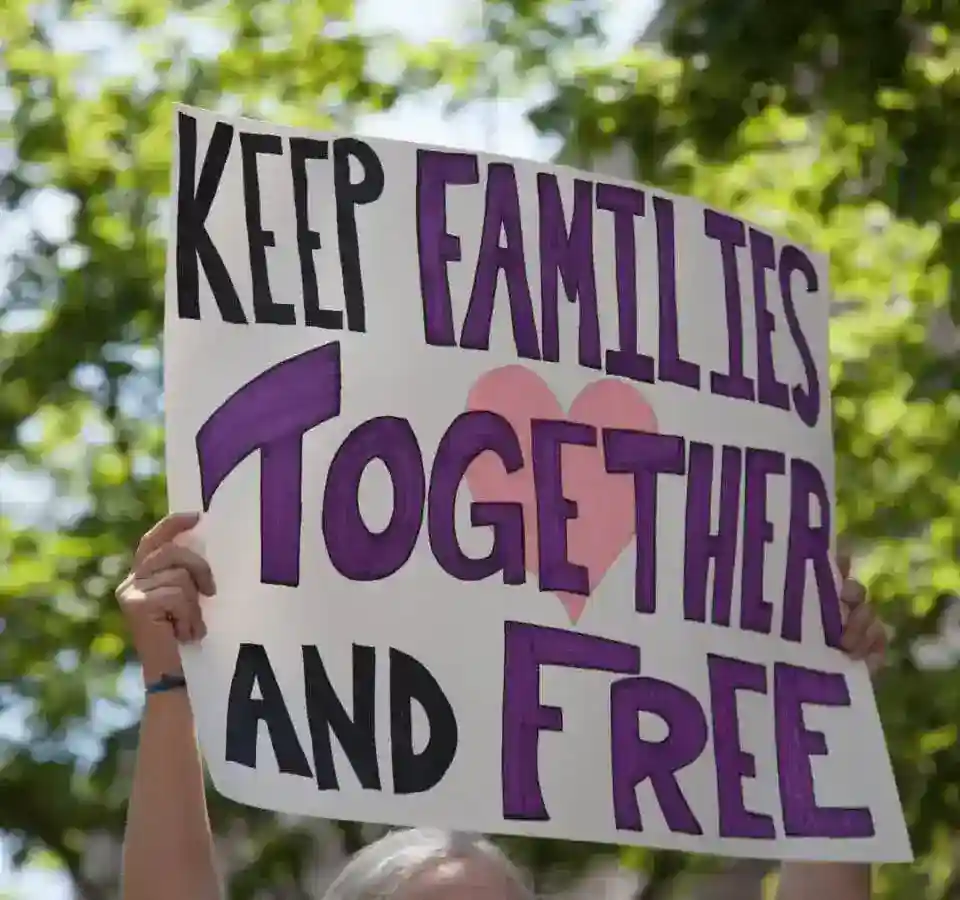
Permanent Separation is a tragic reality for many families who find themselves caught in this “bureaucratic quicksand.” When a spouse or parent is denied on public charge grounds, the family is often left in a state of legal limbo. This is why thorough preparation before the interview is not just recommended, it is essential for survival.
While the situation is serious, it is not without hope. A public charge finding is not a permanent bar. Department of State rules allow applicants to submit new evidence to overcome the finding without a strict time limit (with the exception of Diversity Visa cases, which are bound by the fiscal year).
Strategic Evidence can change the outcome. If your initial application was denied, you have the opportunity to present:
Most public charge findings can be overcome, but it requires a precise, legally sound response that addresses the officer’s specific concerns.
Navigating the complexities of INA § 212(a)(4)(A) requires a proactive partner. At Zaveri Law Firm P.C., we provide the personal attention and 100% commitment your case deserves. We don’t just fill out forms; we build a narrative of your success.
The road to a Green Card should be paved with clarity, not confusion. While the public charge rules have become more stringent, they are not insurmountable. With the right preparation and a dedicated legal team by your side, you can navigate these challenges and move toward your future in the United States with confidence.
If you are concerned about how your financial status, health, or sponsor might affect your visa application, do not wait for a denial to take action. Reach out to us today for a consultation. We offer flexible payment options and a commitment to keeping families together.
Contact Zaveri Law Firm P.C. today to start your path forward.
Disclaimer: The information provided in this blog post is for general informational purposes only and does not constitute legal advice. Immigration laws are complex and subject to change. For legal advice regarding your specific situation, please consult with a qualified immigration attorney. No attorney-client relationship is formed by reading this post or contacting the firm until a formal retainer agreement is signed.
email: info@zaverilaw.com
call us: (201) 289-5393

Attorney Advertising. This information is designed for general information only. The information presented should not be construed to be formal legal advice nor the formation of a lawyer/client relationship. Past results and testimonials are not a guarantee, warranty, or prediction of the outcome of your case, and should not be construed as such. Past results cannot guarantee future performance. Any result in a single case is not meant to create an expectation of similar results in future matters because each case involves many different factors, therefore, results will differ on a case-by-case basis. By providing contact information, users acknowledge and give explicit consent to be contacted via the methods of communication provided, including SMS. Message and data rates may apply. Message frequency may vary. Reply STOP to opt out.
NUVEW | Copyright 2026 All Rights Reserved | Accessibility Notifications | Privacy Policy | Disclaimer

