

August 25, 2026
For many immigrants, applying for a green card is a monumental milestone. Beginning September 18, 2026, however, applicants subject to the public charge ground of inadmissibility will face a significantly more flexible and less predictable review.
The Department of Homeland Security (DHS) is rescinding the 2022 public charge regulations at 8 C.F.R. §§ 212.20–212.23 and revising the public-charge-bond provisions at 8 C.F.R. § 103.6(c). Instead of following a detailed regulatory framework, officers will rely more directly on INA § 212(a)(4), applicable precedent, future USCIS guidance, and their own assessment of the totality of the circumstances.
At Zaveri Law Firm P.C., we understand that this change may create anxiety for families, workers, entrepreneurs, and other individuals pursuing lawful permanent residence. Our goal is to help you understand the new standard and prepare a complete, accurate, and persuasive record.
Rescinded regulations: The 2026 final rule removes the 2022 regulatory definitions and framework governing public charge determinations. The rescinded provisions previously defined important terms, limited the types of benefits officers could review, identified specific factors, and provided greater structure for the analysis.
DHS has described the 2022 framework as overly restrictive. According to the agency, the prior regulations prevented officers from considering all facts that may be relevant to whether an applicant is likely to become dependent on government resources.
Statutory foundation: After September 18, 2026, the analysis will return more directly to the language of INA § 212(a)(4). The statute provides that a person seeking a visa, admission, or adjustment of status may be inadmissible if they are determined to be likely at any time to become a public charge.
The statute requires officers to consider, at a minimum:
Where required, USCIS may also consider the applicant’s Form I-864, Affidavit of Support Under Section 213A of the INA.
Totality of the circumstances: No single fact should automatically decide the case. Instead, officers will review the complete picture of the applicant’s circumstances, including factors bearing on the applicant’s present or potential ability to remain self-supporting.
This approach gives officers more discretion. It may also result in more varied outcomes for applicants with similar circumstances, depending on the evidence submitted, the questions asked during an interview, and the individual officer’s assessment.
Expanded review: Under the 2022 rule, the public charge inquiry focused primarily on public cash assistance for income maintenance and long-term institutionalization at government expense. The new rule removes those limitations.
For benefits received on or after September 18, 2026, officers may consider a broader range of means-tested public benefits, potentially including:
Receipt of a benefit will not automatically make someone inadmissible. DHS has stated that officers should consider the amount, duration, purpose, and context of the benefit, along with the applicant’s overall ability to remain self-sufficient.
Prospective inquiry: Public charge remains a forward-looking determination. It is not supposed to operate as punishment for receiving assistance in the past. The final rule also provides that benefits previously excluded under the 2022 framework generally will not be considered if received before September 18, 2026, subject to the rule’s specific provisions.
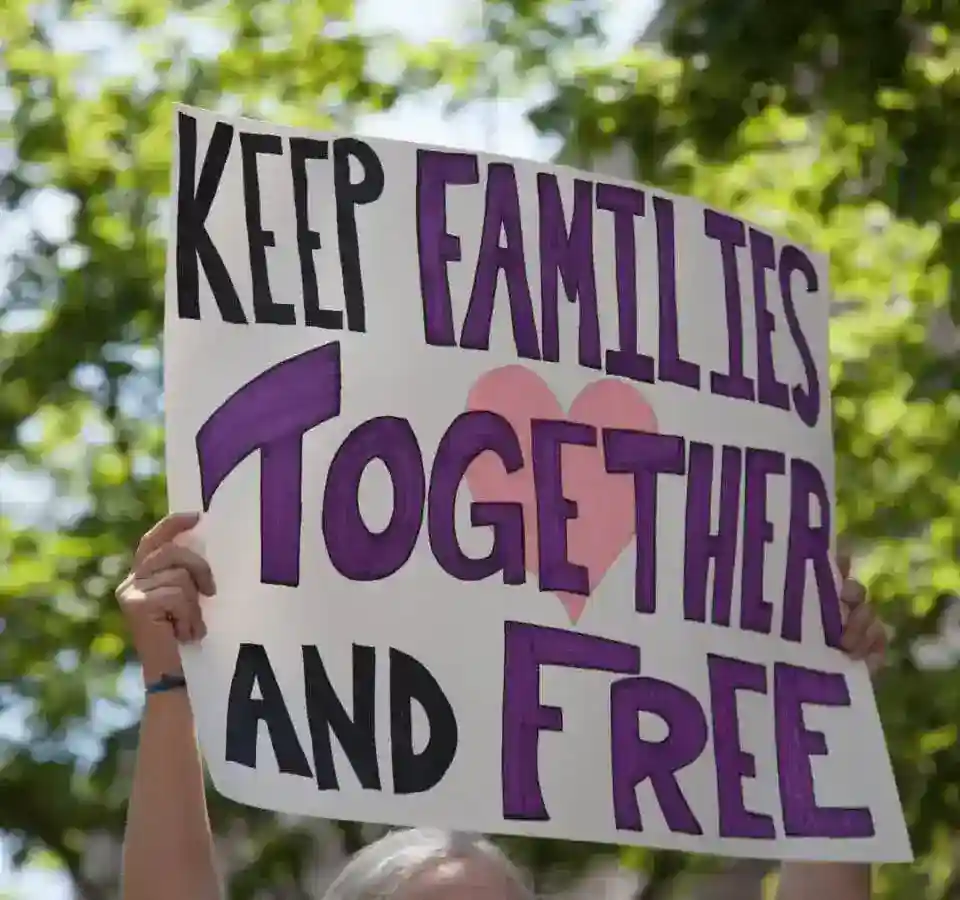
Chilling effect: Even though benefit use is not automatically disqualifying, the broader inquiry may cause eligible immigrant families to avoid health, food, housing, or other assistance. This is especially concerning in mixed-status households, where U.S. citizen children or other family members may need support.
The public charge rule does not change whether a person is legally eligible for a public benefit. Eligibility is determined under the laws governing that program. Before withdrawing from or declining a benefit, you should obtain advice from an attorney or qualified benefits counselor who can evaluate both your immigration and public-benefits circumstances.
No Form I-944 revival: DHS is not bringing back the former Form I-944, Declaration of Self-Sufficiency. Instead, USCIS will revise Form I-485, Application to Register Permanent Residence or Adjust Status.
USCIS has announced that older editions of Form I-485 postmarked or electronically submitted on or after September 18, 2026, will not be accepted. Applicants filing near the effective date should carefully confirm that they are using the correct edition and current filing instructions.
More detailed information: The revised I-485 is expected to request information relevant to the public charge analysis, including:
In practice, the new form may function like a condensed public charge worksheet. Your answers should be complete, internally consistent, and supported by documentation where appropriate. Omissions, unexplained gaps, or inaccurate answers can create unnecessary complications, including Requests for Evidence (RFEs), Notices of Intent to Deny (NOIDs), or denial.
Affidavit of Support: Form I-864 remains important in most family-based green card cases and certain employment-based cases. A sufficient affidavit can demonstrate that a sponsor has accepted legally enforceable support obligations.
However, the new rule gives USCIS greater flexibility in deciding how much weight to assign to Form I-864 within the broader totality-of-the-circumstances review. The affidavit is not necessarily a complete substitute for evidence about the applicant’s own circumstances.
A strong filing may also include evidence of:
A family relationship remains central to many immigration cases, but approval is not guaranteed solely because the applicant is the spouse, parent, or child of a U.S. citizen or lawful permanent resident. This is particularly important for applicants working with a family based green card lawyer or a green card through marriage lawyer to prepare an adjustment filing under the new standard.
Family-member benefits: DHS has indicated that officers generally focus on the applicant’s own receipt of benefits. Benefits received by a family member are not automatically attributed to the applicant.
However, household circumstances may still be relevant. For example, if a family member’s benefit eligibility reflects that the applicant’s income is below a program threshold, that information may be considered as part of the applicant’s assets, resources, and financial status. If benefits received by another household member help financially support the applicant, that relationship may also be relevant.
The rule further states that benefits received by a U.S. citizen child should not simply be treated as benefits received by the parent. Nevertheless, the parent’s legal obligation to support the child and the family’s overall financial circumstances may still be reviewed.
This distinction makes accurate household documentation essential. We recommend carefully separating each person’s income, benefits, expenses, and immigration status rather than presenting a confusing or incomplete household picture.
Bond breach: The final rule also revises 8 C.F.R. § 103.6(c). For public charge bonds submitted on or after September 18, 2026, receipt of any means-tested public benefit before the bond ends may result in a breach. Other noncompliance with a bond condition may also lead to breach.
The treatment of older bonds is different. A bond submitted before September 18, 2026, is generally governed by the prior standard concerning public cash assistance for income maintenance, long-term institutionalization, and compliance with bond conditions.
Cancellation request: Form I-356 remains the mechanism for requesting cancellation of a public charge bond after the fifth anniversary of admission or adjustment, provided the bond has not been breached. The bond remains in effect until USCIS reviews the proper request and issues a decision.
Because bond conditions can have serious financial consequences, anyone subject to a public charge bond should maintain careful records and obtain legal advice before accepting benefits or taking action that could affect the bond.
Greater discretion: The public charge overhaul arrives after USCIS issued a May 2026 memorandum describing adjustment of status under INA § 245 as a matter of discretion and administrative grace rather than an entitlement. The memorandum also emphasizes that adjustment is an extraordinary form of relief that does not replace ordinary consular processing.
Together, these policies create a more demanding environment for many I-485 applicants. Meeting the technical eligibility requirements may not be enough. The filing should also explain why adjustment of status in the United States is appropriate and why the applicant merits a favorable exercise of discretion.
That may require evidence concerning:
Whether you need an us immigration lawyer, a business immigration lawyer, an h1b visa lawyer, or counsel for family immigration, careful preparation is increasingly important. Attorney fees and immigration lawyer cost vary depending on the complexity of the case, but incomplete preparation can create delays, added filing expenses, and significant risks.
Start early: If you plan to file Form I-485 on or after September 18, 2026, monitor USCIS for the revised form, instructions, and policy guidance.
Build the record: Gather tax returns, pay records, employment evidence, bank statements, insurance information, education records, licenses, certifications, and documentation explaining any benefit receipt.
Explain the context: A short period of assistance during a temporary hardship is different from a long-term pattern of dependence. Your filing should explain the circumstances rather than simply list documents.
Check consistency: Information in Form I-485, Form I-864, Form I-693, tax records, employment documents, and interview answers should align. Accuracy, timeliness, and precision can provide meaningful peace of mind.
Respond carefully: If USCIS issues an RFE or NOID, the response should address the specific concern with evidence and a clear legal explanation.
The September 2026 rule changes the public charge analysis from a structured framework to a broader, fact-specific review. Your immigration journey deserves more than a form-only approach.
At Zaveri Law Firm P.C., we focus exclusively on immigration law and provide direct access to the attorney handling your case. We can help you evaluate how the new rule may affect your family-based, employment-based, entrepreneurial, or other immigration strategy. Our services include family immigration, business immigration, entrepreneur immigration, and citizenship and naturalization services.
We can help you:
If you are preparing a green card application or considering whether to file before or after September 18, 2026, we welcome you to contact Zaveri Law Firm P.C. for a consultation. With careful planning and a comprehensive record, we can help you pursue your immigration goals with greater clarity and peace of mind.
Legal disclaimer: This blog post is provided for general informational and educational purposes only. It does not constitute legal advice and does not create an attorney-client relationship with Zaveri Law Firm P.C. Immigration laws, regulations, forms, and agency policies may change, and the application of the law depends on the facts of each case. You should consult a qualified immigration attorney regarding your individual circumstances before making legal or filing decisions.
email: info@zaverilaw.com
call us: (201) 289-5393

Attorney Advertising. This information is designed for general information only. The information presented should not be construed to be formal legal advice nor the formation of a lawyer/client relationship. Past results and testimonials are not a guarantee, warranty, or prediction of the outcome of your case, and should not be construed as such. Past results cannot guarantee future performance. Any result in a single case is not meant to create an expectation of similar results in future matters because each case involves many different factors, therefore, results will differ on a case-by-case basis. By providing contact information, users acknowledge and give explicit consent to be contacted via the methods of communication provided, including SMS. Message and data rates may apply. Message frequency may vary. Reply STOP to opt out.
NUVEW | Copyright 2026 All Rights Reserved | Accessibility Notifications | Privacy Policy | Disclaimer

