
September 15, 2026
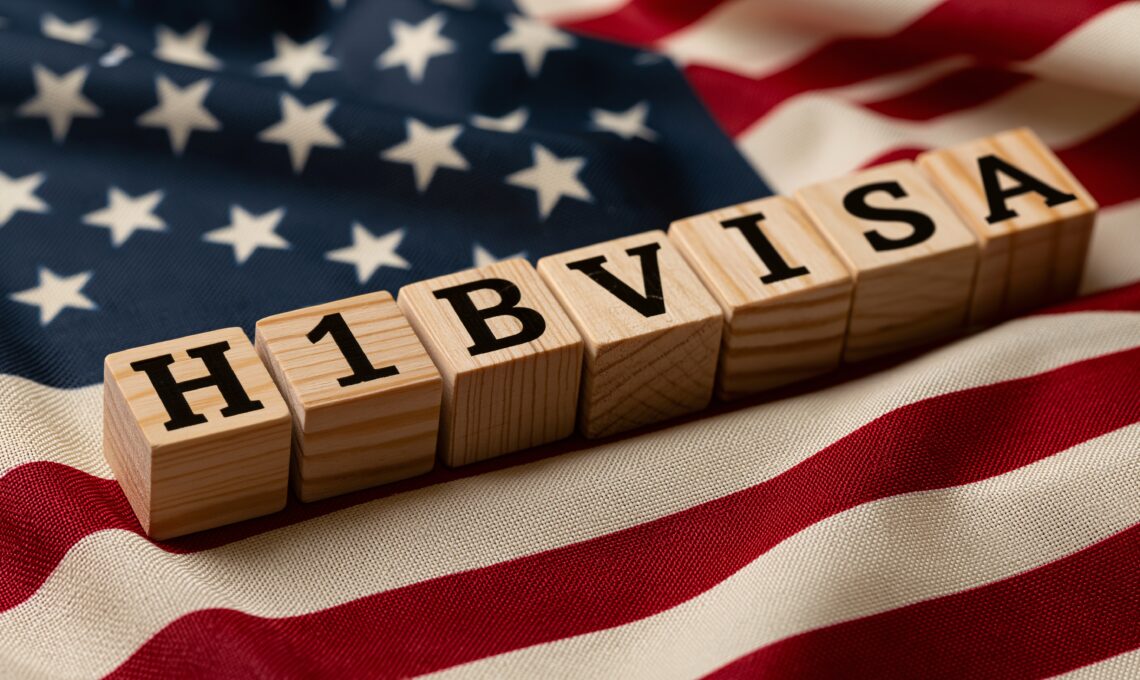
A major change is now on the table. On September 11, 2026, the Department of Homeland Security (DHS) published a proposed rule that would eliminate the discretionary 60-day grace period currently available to certain employment-based nonimmigrant workers after their employment ends.
For H-1B workers, that grace period can provide valuable time to find a new employer, pursue a change of status, or prepare for departure from the United States. If DHS finalizes the proposal, workers and their families could face a far more compressed timeline after a layoff or other employment termination.
We want to emphasize an important point at the outset: this is only a proposed rule. It is not currently in effect. As of today, the existing grace period remains operational. However, this proposal is significant enough that H-1B workers, employers, and families should understand the potential consequences and begin planning carefully.
The proposed rule. DHS proposes removing the regulation at 8 C.F.R. § 214.1(l)(2), which currently provides an authorized period of up to 60 days following the end of qualifying employment, subject to discretion and the expiration of the worker’s authorized stay.
The proposal is titled “Eliminating the Discretionary 60-Day Grace Period” and appears in Volume 91 of the Federal Register. DHS states that eliminating the grace period would restore a closer connection between a worker’s lawful status and the employment or activity forming the basis of that status.
The affected categories. If finalized as proposed, the change would apply to workers in the following classifications and their dependents:
The proposal would not eliminate every possible immigration option. It would, however, remove an important buffer that currently gives many workers time to evaluate those options while remaining in the United States.
White House review. The proposal cleared White House review on August 27, 2026.
Federal Register publication. DHS published the Notice of Proposed Rulemaking on September 11, 2026. Publication opened a public comment period.
Comment deadline. DHS will accept public comments through November 10, 2026.
Current legal status. The proposal is not a final rule, and it does not currently change the law. The existing up-to-60-day grace period remains available today, subject to the applicable regulations, the worker’s specific facts, and USCIS discretion.
Possible future action. After reviewing public comments, DHS may finalize the proposal, revise it, withdraw it, or take another regulatory path. If DHS issues a final rule, that rule would generally include an effective date. Until then, workers should not assume that the grace period has disappeared.
The official notice identifies DHS Docket No. USCIS-2026-0364. Comments must be submitted through the Federal eRulemaking Portal at Regulations.gov.
Under the current framework, time matters. When an H-1B worker’s employment ends, the worker may generally have up to 60 days, or until the end of the authorized validity period, whichever comes first, to pursue a qualifying next step. During that period, the worker may explore a new job, work with a new employer on an H-1B petition, consider another status, or prepare to depart.
The grace period does not authorize employment by itself. A worker generally cannot begin working for a new employer until the applicable employment authorization rules are satisfied. However, the grace period can provide a meaningful opportunity to complete the necessary immigration process.
If the proposal becomes final, the timeline could become dramatically shorter. DHS states that a covered worker would generally be considered to have failed to maintain status after the qualifying employment or activity ends, unless the worker has another lawful basis to remain in the United States.
That may affect:
A status violation can have consequences beyond the immediate job search, including complications in future immigration filings, adjustment of status, or visa processing. Accuracy and timeliness are therefore essential.
Create an immigration-response protocol. Employers should coordinate with human resources, legal, and immigration teams before a termination occurs. A written protocol can identify who must be notified, what documents should be preserved, and when outside counsel should be contacted.
Review sponsorship timelines. If your organization may hire H-1B workers affected by a termination, evaluate the required petition, Labor Condition Application, portability, worksite, and onboarding timelines in advance.
Maintain compliance records. Employers should continue following applicable immigration compliance obligations, including accurate employment records and required notices. Our immigration compliance services can help businesses assess their procedures.
Communicate carefully. Workers and their families are often facing a monumental personal and financial disruption after a layoff. Clear communication about employment dates, benefits, documentation, and available legal resources can help reduce confusion while protecting the company’s interests.
Your voice can become part of the rulemaking record. DHS is accepting comments until November 10, 2026. Workers, employers, professional organizations, and members of the public may submit comments addressing the proposal’s practical and legal effects.
Comments may discuss topics such as:
Comments should identify DHS Docket No. USCIS-2026-0364, reference the proposed rule, and explain the specific concerns or recommendations being presented. DHS advises that submissions should include supporting facts, data, or legal authority where available. Comments submitted through the proper portal may become publicly available, so avoid including unnecessary personal information.
We help you prepare before an immigration deadline becomes an emergency. At Zaveri Law Firm P.C., we are fully committed to immigration law and represent employers, H-1B professionals, entrepreneurs, and families navigating employment-based immigration matters.
We can help you:
We believe legal guidance should be personal, responsive, and clear. You receive direct access to the attorney assigned to your matter, regular updates, and a strategy designed around your goals. If you are concerned about immigration lawyer cost or payment arrangements, we invite you to ask about fees and available options during your consultation.
Reach out today. Contact Zaveri Law Firm P.C. for a confidential initial consultation. You may also learn more about our business immigration services or visa services. We are here to help you understand the path ahead and protect your next milestone with accuracy, timeliness, and care.
This article is provided for general informational purposes only and discusses a proposed immigration rule as of September 15, 2026. It is not legal advice and does not create an attorney-client relationship. The proposed rule may change, may not be finalized, or may be implemented with different terms or an effective date. Immigration outcomes depend on the facts of each case. Please consult a qualified U.S. immigration lawyer regarding your specific circumstances before taking action. Past results and testimonials are not a guarantee, warranty, or prediction of future results.
email: info@zaverilaw.com
call us: (201) 289-5393

Attorney Advertising. This information is designed for general information only. The information presented should not be construed to be formal legal advice nor the formation of a lawyer/client relationship. Past results and testimonials are not a guarantee, warranty, or prediction of the outcome of your case, and should not be construed as such. Past results cannot guarantee future performance. Any result in a single case is not meant to create an expectation of similar results in future matters because each case involves many different factors, therefore, results will differ on a case-by-case basis. By providing contact information, users acknowledge and give explicit consent to be contacted via the methods of communication provided, including SMS. Message and data rates may apply. Message frequency may vary. Reply STOP to opt out.
NUVEW | Copyright 2026 All Rights Reserved | Accessibility Notifications | Privacy Policy | Disclaimer
